Cultural Authority Through Community:
Christie's New York x Anime
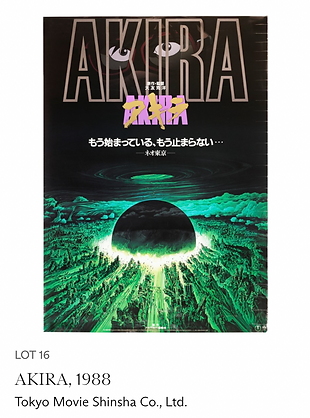
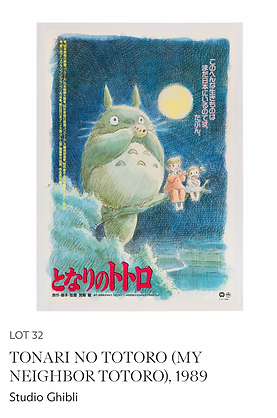

Christie’s New York hosted its first ever auction dedicated to anime art, spotlighting hand-painted cels, drawings and production artwork from iconic series including Pokémon and Studio of Ghibli.When a Pokémon card can sell for 16mil, this becomes with out a doubt, a smart move.
Anime has earned huge global popularity and a highly engaged audience. But what made the moment work was not just the size of the fandom, it was how Christie’s entered the space. Instead of treating anime as a passing trend or aesthetic to borrow from, the brand positioned it as art, history and culture worthy of serious attention.
The cultural reaction was largely positive because the move felt additive. Christie’s did not need to “prove” it understood anime by over-explaining the fandom or forcing itself into the community. Instead, it used its own authority in the art world to validate a community that has already been culturally powerful for decades.
That is the difference between chasing culture and contributing to it.
The insight here is simple: popularity delivers scale, but cultural authority comes from introducing or shaping the aesthetic, not simply repeating it. In this case, Christie’s added legitimacy by bringing anime into a high-art context, creating a bridge between collectors, fans and cultural institutions.
For brands, the lesson is clear. Successfully entering a culture without altering it, misunderstanding it or watering it down requires risk, respect and a clear reason to be there. Christie’s did not have to prove it was part of anime culture, because it had something valuable to offer it.
Key Takeaways:
Cultural influence beats cultural borrowing:
Christie’s did not just use anime as a visual trend. It gave the medium space, context and credibility within the art world.
Popularity creates the opportunity, authority creates the impact:
Anime already had global fandom and demand. Christie’s role was to elevate how that fandom is seen by the wider cultural market.
Add value before entering a community:
The best brand collaborations do not simply attach themselves to a popular culture. They contribute something meaningful to it.
Respect the original audience:
Anime fans do not need brands to explain their culture back to them. They need brands to understand its value without flattening it.
Cultural risk is necessary:
Moving into a new space can feel unexpected, but relevance often comes from entering culture with a strong point of view before it feels obvious.